
Music as Truth and Connection
Daisy Jones & the SixMusic gives characters a way to speak truths they conceal in ordinary life, first connecting Daisy Jones and Billy Dunne and finally clarifying what they must choose.
increasing Bearing strength in each event
 decreasing
Bearing strength in each eventdecreasingSongs Before Speech

Songs Before Speech
A private language
Daisy Jones reads and writes constantly, then begins shaping lyrics from observations others dismiss. Music offers a form of expression when neither her parents nor the men around her truly listen.
Authorship as recognition
Her songwriting becomes a refusal to exist only as someone else’s inspiration. The songs make her inner life audible and help her claim the identity of an artist.
A Song Opens a Door
A Song Opens a Door
The voice is heard
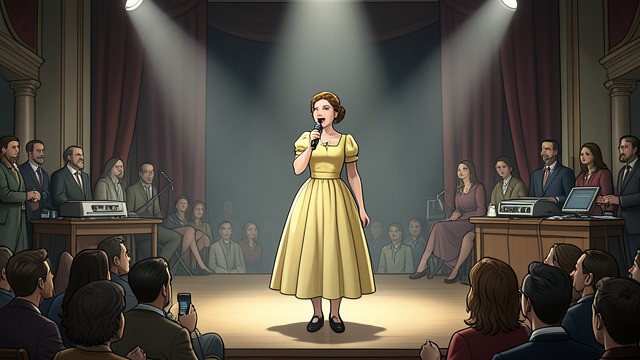
Daisy Jones reluctantly joins a performance at Ash Grove, then grows confident as she sings. The audience’s response reveals a talent she has not yet chosen to use publicly.
Visibility is not enough
Jim Blades advises her to use her beauty to attract attention, but Daisy resists the implication that listeners need not care what she sings. The moment introduces the conflict between being seen and being heard.
Honeycomb’s Questions
Honeycomb’s Questions
Doubt enters the promise
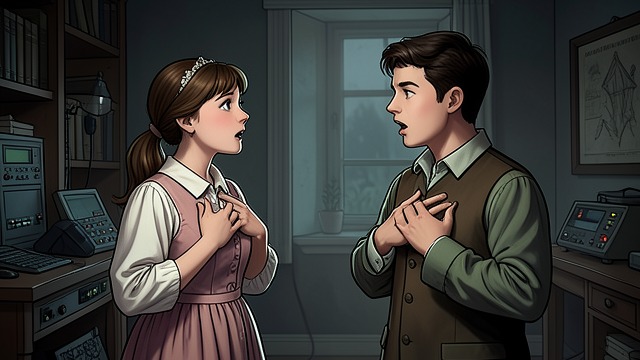
Daisy Jones changes the refrain of Honeycomb from certainty to questions. She hears uncertainty in Billy Dunne’s pledge and makes that uncertainty part of the performance.
Feeling outruns intention
Billy resists the change because the song is tied to his promise to Camila Dunne. The duet demonstrates how music can disclose what its writer wants to believe and what the singer hears underneath.
Writing the Unsaid
Writing the Unsaid
Collaboration deepens meaning
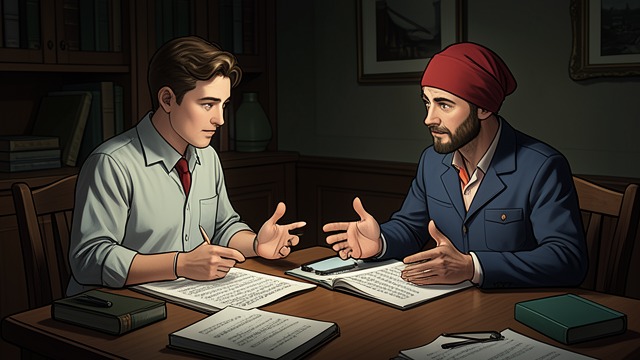
Daisy Jones and Billy Dunne revise each other’s songs, finding complexity neither would have reached alone. Their work turns personal feelings into lyrics that can be heard without being confessed directly.
The danger of recognition
Because each sees the other in the songs, creative intimacy becomes emotionally risky. They can claim the material is art, but the feeling it carries affects their lives beyond the studio.
A Final Reassurance
A Final Reassurance
A lyric returned
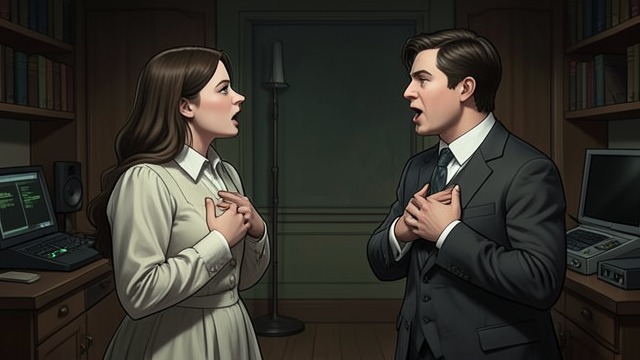
Daisy Jones sings Honeycomb as Billy Dunne originally wrote it, promising a future with Camila. Her choice turns the song into a gift rather than a challenge.
Music marks the goodbye
The lyric comforts Billy while hurting Daisy, because it confirms the life he is choosing. Their final duet gives emotional truth a form that neither can safely turn into a shared future.
Daisy’s teenage years
summer 1972 at Ash Grove
1975, during the duet recording
during the Aurora sessions in 1977
July 12, 1979, during Honeycomb in Chicago
